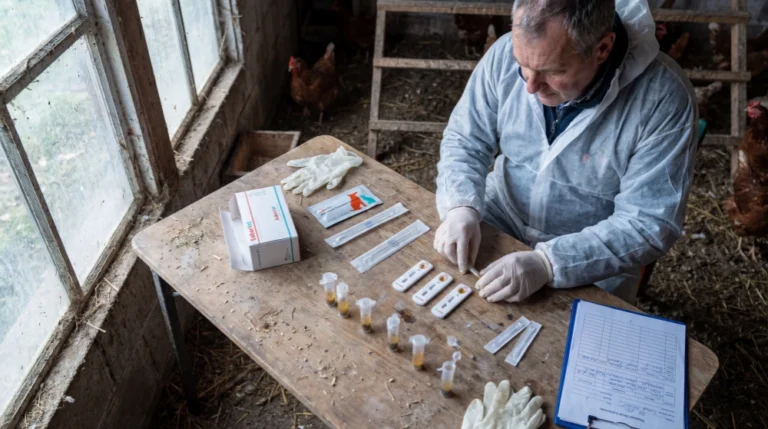
You want to keep your pork safe, but the risk of Trichinella spiralis infection remains real worldwide. Every year, about 10,000 people globally contract trichinellosis. In the United States, reports show 10 to 20 cases annually. In Chile, the number ranges from 5 to 220 cases each year.
| Region | Annual Cases |
|---|---|
| Global | ~10,000 |
| United States | 10 to 20 |
| Chile | 5 to 220 |
You can rely on the Trichinella Spiralis Immunochromatographic Test to protect your family and customers. Rapid tests like the Sabervet Trichinella Spiralis Antibody Rapid Test give you results in minutes, making pork safety simple for home cooks and farmers alike.
Key Takeaways
- The Trichinella Spiralis Immunochromatographic Test provides quick results, helping you ensure pork safety in just 15 minutes.
- Using this test can prevent serious health issues caused by Trichinella spiralis, protecting your family and customers.
- The test is easy to use, requiring no special training or lab equipment, making it accessible for home cooks and farmers.
- Regular testing with this method can help you monitor pork safety effectively, reducing the risk of contamination.
- By adopting rapid testing, you gain peace of mind and can make informed decisions about pork preparation and sales.
Why Pork Safety Is Essential
Risks of Trichinella Spiralis
You need to understand where the risks come from when you eat pork. Infected domestic pigs are the main source of Trichinella spiralis infection. Wild animals, such as bears, wild pigs, and horses, can also carry this parasite. Other animals like raccoons, opossums, skunks, foxes, and rodents act as reservoirs for the disease.
Did you know? Between 27 and 109 cases of trichinosis in humans were reported each year in the United States from 1986 to 1990. About 73% of these cases came from pork products.
Pork recalls play a big role in protecting public health. They address risks like bacterial contamination, foreign materials, and mislabeling. You also need science-based standards for pork safety. These standards help keep food safe and secure for everyone.
Health Impact of Unsafe Pork
Eating undercooked or contaminated pork can lead to serious health problems. Trichinellosis symptoms usually appear one to four weeks after you eat infected meat. Early signs include feeling tired, headaches, diarrhea, and stomach discomfort. You might also get a high fever that lasts over a week.
As the infection progresses, you may experience:
- Gastroenteritis with nausea, vomiting, and abdominal pain
- Muscle pain and swelling around the eyes
- General weakness and chills
- Itching, skin rashes, and bleeding under the fingernails
- Conjunctivitis with eye redness
Some people develop long-term effects, such as chronic muscle pain and changes in the immune system. In some regions, undercooked pork remains a common source of infection. For example, Thailand reports up to 600 cases each year, especially during holidays.
You can protect yourself and your family by using reliable tools like the Trichinella Spiralis Immunochromatographic Test. This test helps you detect the parasite before it causes harm.
Trichinella Spiralis Immunochromatographic Test Explained
How the Test Works?
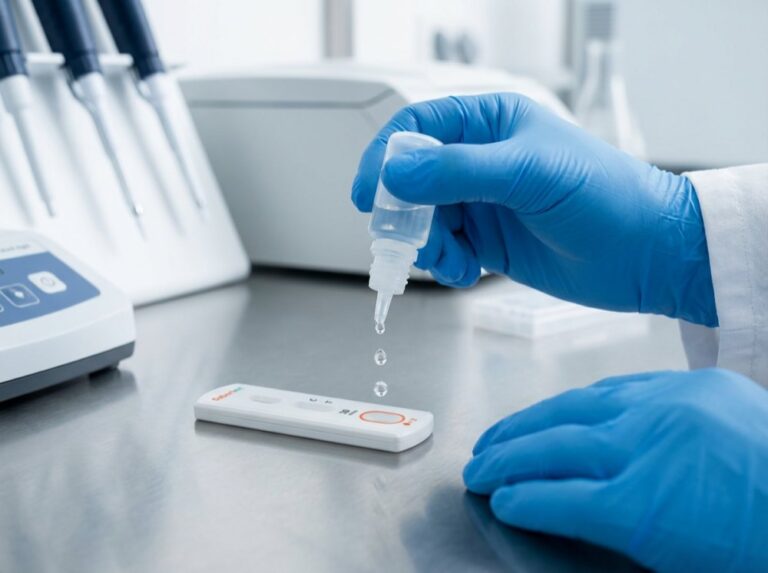
You can use the Trichinella Spiralis Immunochromatographic Test to check pork for parasites before cooking or selling. The test uses a scientific method that helps you see results quickly and clearly. You collect a small blood sample from a live pig or a piece of raw meat tissue. You place the sample on the test card and add a buffer solution. The card uses special antigens from Trichinella spiralis, which react with antibodies in the sample if the parasite is present.
The test works through a sandwich-type nucleic acid hybridization reaction. This reaction forms visible complexes on the test strip. You can read the result by looking for colored lines on the card. The process does not require special training. You follow simple instructions and get a clear yes or no answer.
Here is a table showing the scientific principle behind the test:
| Component | Description |
|---|---|
| Antigens Used | Excretory-secretory (ES) antigens from Trichinella spiralis labeled with colloidal gold |
| Test Mechanism | Sandwich-type nucleic acid hybridization reaction producing visible complexes on a test strip |
| Evaluation | Compared 60 clinical positive blood samples with 46 serum samples from infected pigs and 30 serum samples from healthy pigs |
| Specificity and Sensitivity | High specificity and sensitivity closely correlated with ELISA results |
You can use this test at home or on the farm. Farmers and home butchers find it helpful because it works with both blood and tissue samples. You do not need laboratory equipment. You do not need to wait for days to get results. The test kit comes with clear instructions, so you can use it even if you have never tested meat before.
Tip: Keep the test kit in a cool, dry place. You can store it for up to 36 months and use it whenever you need to check pork safety.
Accuracy and Speed
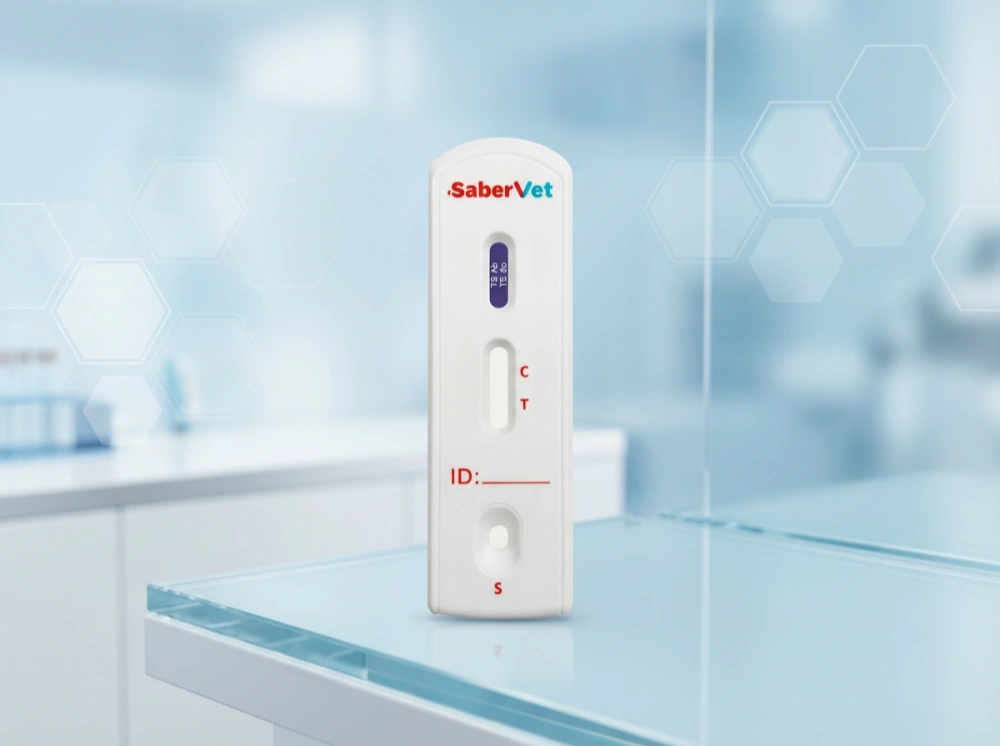
You want results that are fast and reliable. The Trichinella Spiralis Immunochromatographic Test gives you both. The Sabervet test shows results in just 15 minutes. You collect the sample, load it onto the card, and wait for the reaction. You check the lines to see if the pork is safe.
Here is a table showing the steps and timing:
| Step | Action | Time/Detail |
|---|---|---|
| Collection | Whole blood, Serum, or Plasma | Use EDTA for whole blood |
| Loading | 1 drop sample + 3 drops buffer | Place card on flat surface |
| Waiting | Let the reaction sit | Exactly 15 minutes |
| Reading | Check C and T lines | Invalid after 20 minutes |
You can trust the results because the test has high sensitivity and specificity. The Sabervet test detects Trichinella spiralis with a sensitivity of 96.00% and a specificity of 97.40%. These numbers mean you get accurate answers almost every time. You do not need to worry about false positives or negatives.
Farmers use the test to monitor livestock health. Home butchers use it to check meat before preparing meals. You save time and money because you do not need to send samples to a lab. You get peace of mind knowing your pork is safe.
Note: Always read the result within the recommended time. Results after 20 minutes may not be valid.
You can rely on the Trichinella Spiralis Immunochromatographic Test for quick, accurate, and easy pork safety checks. You protect your family and customers with a tool that fits your needs.
Using the Test at Home or Farm
Step-by-Step Instructions
You can use the Trichinella Spiralis Immunochromatographic Test easily at home or on your farm. The process does not require any laboratory equipment or special training. Follow these steps for accurate results:
- Collect a fresh blood sample from your pig. You can also use serum or plasma. Make sure to use the sample right away.
- Remove the test device from its foil pouch. Place it on a flat, horizontal surface.
- Add one drop (about 20 microliters) of serum or plasma to the assay buffer tube. Mix it well.
- Place two to three drops of the mixed buffer into the sample hole on the test card.
- Wait for 5 to 10 minutes. Read the result within this time frame. Results after 10 minutes are not valid.
Tip: Always use clean tools and fresh samples. This helps you avoid contamination and ensures your results are correct.
You do not need to send samples to a lab. This saves you time and money. The test is cost-effective compared to traditional laboratory methods, which can be expensive and slow. You can check your pork quickly, even in rural areas where lab services are limited.
Who Should Use the Test
The Trichinella Spiralis Immunochromatographic Test is helpful for many people:
- Farmers who want to check their pigs for parasites before selling or processing meat.
- Home butchers who prepare pork for their families.
- Anyone raising pigs in rural or urban areas.
- People who want a fast and reliable way to keep their pork safe.
You can use this test to protect your family, your customers, and your animals. The test works well for both small farms and home kitchens. You get peace of mind knowing your pork is safe to eat.
Benefits Over Traditional Methods
Comparison with Cooking and Inspection
You may wonder how the Trichinella Spiralis Immunochromatographic Test compares to traditional pork safety methods. Many people rely on cooking pork thoroughly or using inspection techniques to keep meat safe. Cooking pork to an internal temperature between 145°F (63 °C) and 160°F (71 °C) destroys Trichinella spiralis. Proper heating methods work well in controlled studies, but you must always monitor the internal temperature to ensure safety.
Traditional inspection methods, such as laboratory digestion or visual checks, have been used for years. These methods can prevent trichinellosis and follow established standards. However, they often require special equipment and take more time.
Here is a table that shows the main differences:
| Method | Advantages | Disadvantages |
|---|---|---|
| Trichinella Spiralis Immunochromatographic Test | Rapid and easy alternative to traditional methods; detects antibodies quickly | May not be as widely accepted or validated as traditional methods |
| Traditional Methods (e.g., digestion) | Good sensitivity and effectiveness in preventing clinical trichinellosis; established standards | Time-consuming; requires specific equipment for testing |
Advantages of Rapid Testing
Rapid testing offers several benefits over traditional methods. You get results in minutes, not hours or days. This speed helps you make quick decisions about pork safety. The Trichinella Spiralis Immunochromatographic Test provides high accuracy, so you can trust the results.
Let’s look at how rapid testing compares to traditional methods:
| Advantage | Rapid Testing | Traditional Methods |
|---|---|---|
| Speed | Processes images rapidly, boosting throughput | Slower inspection processes |
| Accuracy | High precision in defect detection | Variable results across inspections |
| Adaptability | Easily scales for high-volume production | Limited scalability |
You also gain peace of mind. Rapid tests let you check pork on-site, without sending samples to a lab. You know right away if your meat is safe. Farmers can act quickly to protect their herds, and consumers feel confident about the food they serve.
- Rapid tests deliver health risk assessments in just a few hours.
- You reduce health risks by confirming pork safety before cooking or selling.
- Farmers can take immediate action to keep their products safe for the market.
Tip: Using rapid tests as part of your routine helps you stay ahead of potential problems and ensures safer pork for everyone.
You play a key role in keeping pork safe. Recent studies show a drop in positive results for pork safety tests, from 13% in 2019 to just 2% in 2022. This progress comes from better farm controls and new tools. The Trichinella Spiralis Immunochromatographic Test gives you fast, reliable answers. When you use rapid testing, you help protect your family and customers. Sabervet makes it easy for you to trust the pork you serve.
FAQ
How fast can you get results with the Sabervet Trichinella Spiralis Test?
You can see your results in just 10 to 15 minutes. This quick process helps you make safe choices before cooking or selling pork.
Do you need special training to use the test?
You do not need special training. The kit comes with clear instructions. You can follow the steps easily at home or on your farm.
What samples can you use for the test?
You can use a small blood sample from a live pig or a piece of raw meat tissue. This flexibility makes the test useful for many situations.
How accurate is the Sabervet Trichinella Spiralis Test?
The test has a sensitivity of 96.00% and a specificity of 97.40%. You can trust the results to help keep your pork safe.
If you are looking for high-sensitivity test strips, you can find our full ITGen® and Sabervet® animal health products here. For those seeking integrated diagnostic systems or partnership opportunities, please explore our Sabervet® diagnostic solutions here.
See Also
Fast Home Diagnosis of Dog Giardia Using Quick Tests