I see that avian candidiasis can move fast in a flock. I know it is important to find this disease early. The Sabervet avian candida albicans diagnostic test gives results in just a few minutes. Veterinarians and bird breeders can use this tool to keep their poultry safe. Fast testing helps me make quick choices to keep birds healthy.
Key Takeaways
- It is very important to find avian candidiasis early. Use fast tests to find infections quickly and keep your birds safe.
- The Sabervet antigen test gives results in only 5-10 minutes. This fast time lets you help sick birds right away.
- Check your birds’ health often to find problems early. Look for signs like losing weight or acting different.
- Use good biosecurity steps. Clean your tools and do not let many people near your birds. This helps stop disease from spreading.
- Move fast when you get test results. Keep sick birds away from healthy ones and ask a veterinarian for help. This makes sure your birds get the right care.
Avian Candidiasis Overview
What Is Avian Candida albicans?
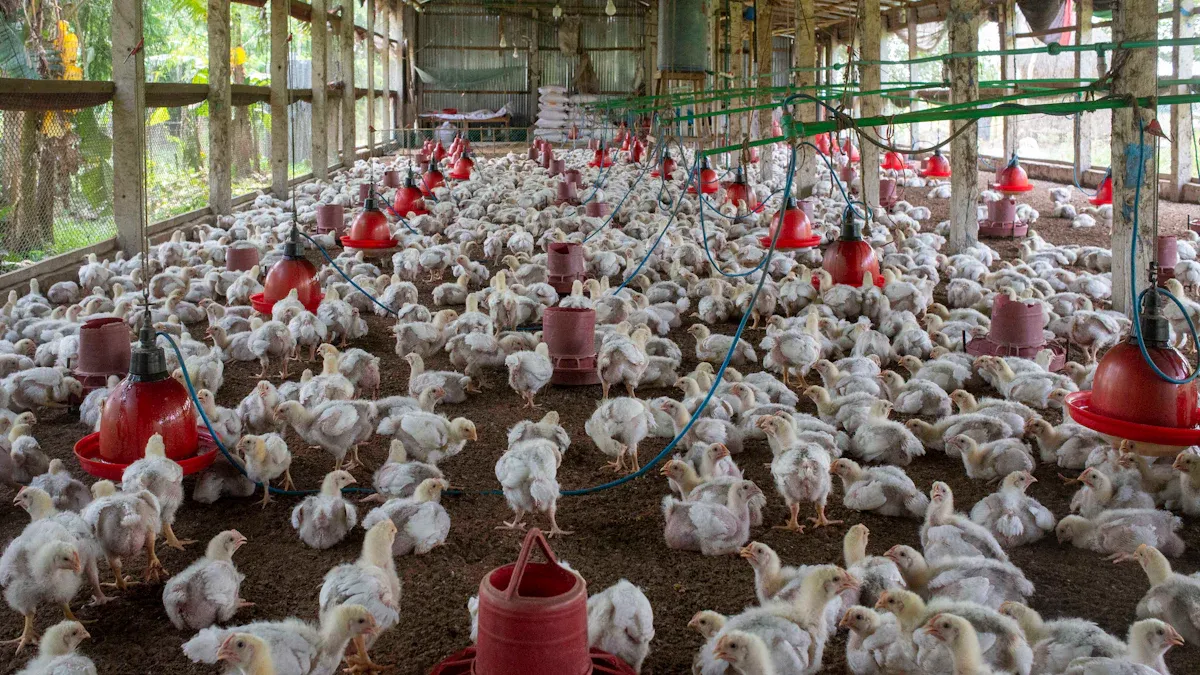
Candida albicans is often found in poultry. It is a type of yeast that lives in the environment and inside birds. When birds are stressed or sick, this yeast can grow fast and cause trouble. Avian candidiasis happens when candida albicans grows too much. This yeast infection is also called crop mycosis. It usually affects the digestive system, but it can spread to other parts of the body.
Candida albicans is the most common yeast in broiler chickens and their surroundings. Here are some facts to remember:
- Fungal isolation from broiler chickens is 21.6%. Yeast infection in birds is 8.8%.
- The area around poultry has a 46.8% rate of fungal isolation. Yeast infection in birds is 21.3%.
- Modern poultry systems have a high risk of fungal diseases. That is why I always check for avian candidiasis.
Impact on Poultry Health
When I look for avian candidiasis, I watch for changes in health and behavior. This yeast infection can cause many problems for birds. Young chicks are at higher risk because their immune systems are not strong yet. The infection can cause more deaths and poor growth.
| Age at Infection (Days) | Mortality Rate | Immune Response Effect |
|---|---|---|
| 8 | High | Immature immune system |
| 10 | Moderate | Developing immune system |
| 12 | Low | Mature immune system |
Birds with avian candidiasis may lose weight and stop laying eggs. The infection can spread quickly, so I act fast to protect the flock.
Yeast Infection in Poultry
I spot yeast infection in birds by looking for certain signs. Most signs show up in the digestive system, but other areas can be affected too. Here is a table to help remember the main symptoms:
| Affected System | Visible Signs |
|---|---|
| Digestive | White plaques in crop/mouth, regurgitation |
| Respiratory | Labored breathing, wheezing |
| Systemic | Lethargy, reduced egg production, weight loss |
| Dermatologic | Vent staining, feather loss |
Candida albicans causes these symptoms. When I see these signs, I think of a yeast infection and start testing right away. Finding the infection early helps stop it from spreading and keeps my flock healthy.
Importance of Rapid Diagnosis
Risks of Delayed Detection
I know that waiting too long to test for avian candidiasis can put my flock at risk. When I do not act quickly, the infection can spread from one bird to many. Birds may start to show signs like weight loss, poor appetite, and white patches in the mouth. If I miss these early signs, the disease can become severe. I have seen how delayed action can lead to higher death rates, especially in young chicks. The longer I wait, the harder it becomes to treat the birds and stop the infection.
Early Intervention Benefits
I always try to catch problems early. When I spot changes in my birds, I check their appetite, droppings, and behavior every day. This helps me notice small issues before they become big ones. Early intervention gives me many advantages:
- I can stop minor problems from turning into serious infections.
- My birds recover faster when I treat them right away.
- I see fewer complications when I act quickly.
I believe that regular checks and fast action keep my flock healthy and strong.
Diagnose Avian Candidiasis
I use rapid tests to diagnose avian candidiasis as soon as I see warning signs. Diagnosing avian candidiasis early helps me protect my birds and prevent the spread of the disease. I trust quick tests because they give me answers in minutes. When I know what I am dealing with, I can start treatment and improve the chances of recovery. Fast and accurate testing is the best tool I have for managing candidiasis in my flock.
Avian Candida Albicans Diagnostic Test
How the Antigen Test Works
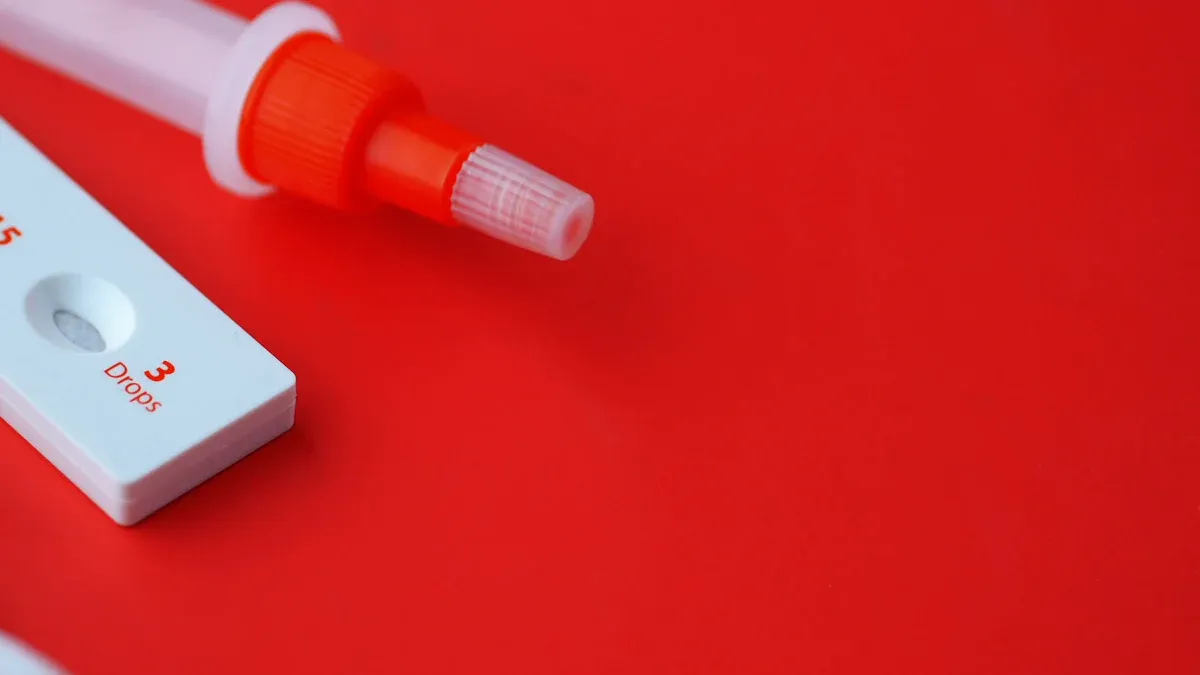
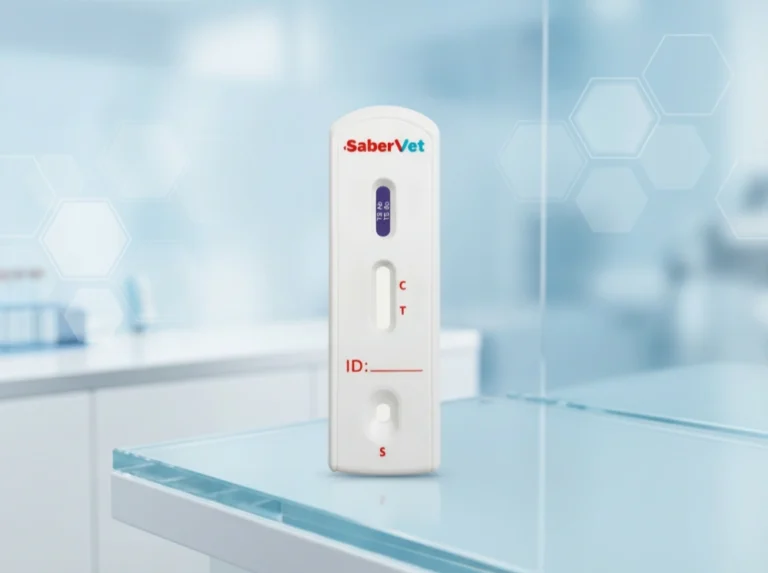
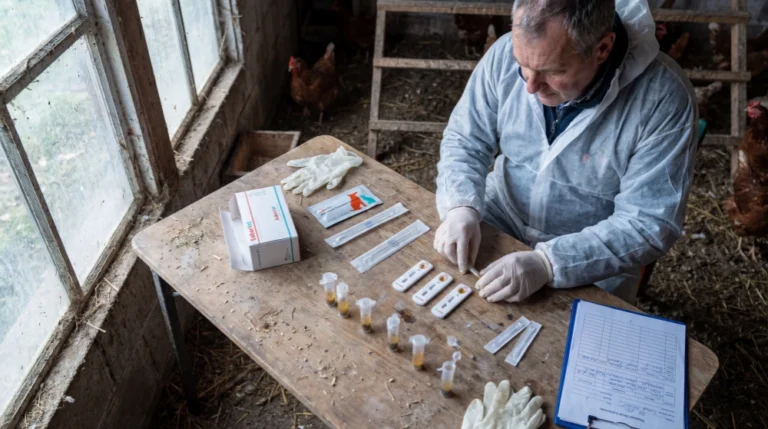
I use the avian candida albicans diagnostic test when I need fast answers about my birds’ health. The Sabervet Candida Albicans Antigen Rapid Test uses a special method called a lateral flow immunoassay. This means the test can find the Candida albicans antigen in a bird’s sample. I collect a sample from the bird, usually from the feces or a rectal swab. Sometimes, I use an oral or cloacal swab if needed.
Here is how I use the avian candida albicans diagnostic test:
- I collect the sample using the swab from the kit.
- I place the swab in the extraction tube and mix it with the solution.
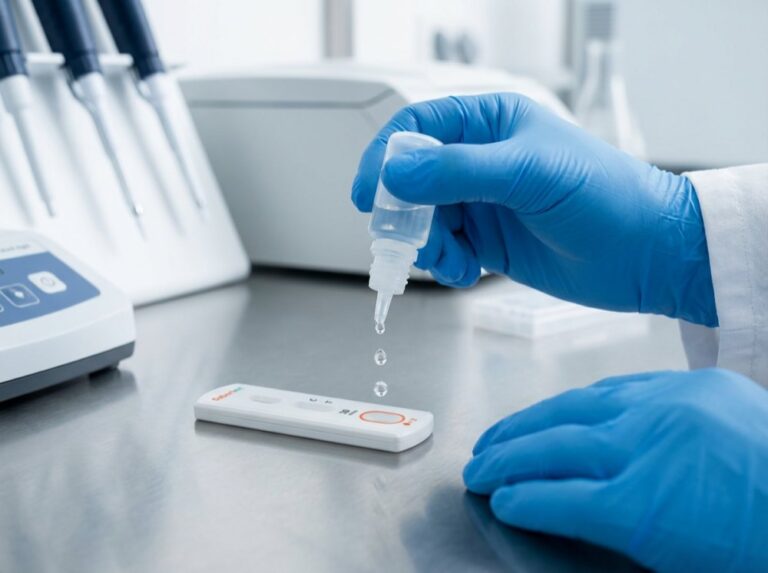
- I add a few drops of the mixed sample onto the test cassette.
- I wait for 5 to 10 minutes to see the results.
The test shows clear lines that tell me if the antigen is present. I do not need any special equipment. I can use the avian candida albicans diagnostic test at home, on the farm, or in a clinic.
Test Accuracy and Speed
I trust the avian candida albicans diagnostic test because it gives me reliable results. The Sabervet test has high sensitivity and specificity. Sensitivity means the test can find almost all birds that have the infection. Specificity means the test does not give false results for birds that are healthy.
Here is a table that shows the key numbers:
| Feature | Value |
|---|---|
| Sensitivity | 98.33% |
| Specificity | 98.61% |
| Result Time | 5-10 minutes |
I like that I do not have to wait long. The avian candida albicans diagnostic test helps me make quick decisions. I can start treatment right away if I see a positive result. The test is CE certified and meets ISO 13485 and GMP standards. This means the test is safe and made with high quality.
Tip: Always read the instructions in the kit before starting the test. This helps me get the best results every time.
User-Friendly Features
I find the avian candida albicans diagnostic test easy to use. The kit comes with everything I need:
- Swabs for collecting samples
- Extraction tubes with solution
- Test cassettes
- A simple workstation
I do not need any training to use the test. The instructions are clear and easy to follow. I can test many birds at once because each kit has 20 tests. The kit lasts for 36 months if I store it in a cool, dry place.
Here are some features I like:
- I can use the test at home or in the field.
- The results are easy to read.
- The kit is safe for both professionals and pet owners.
- Bulk pricing is available for clinics and farms.
When I use the avian candida albicans diagnostic test, I feel confident that I am protecting my flock. Fast, accurate, and simple testing helps me keep my birds healthy and safe.
Using the Rapid Test
Sample Collection Steps
I always start by preparing my workspace. I make sure the area is clean and free from distractions. I gather the Sabervet test kit, which includes swabs, extraction tubes, and the test cassette. I wear gloves to protect myself and the birds.
Here is how I collect a sample:
- I gently hold the bird to keep it calm.
- I use the swab from the kit to collect a sample. I can take a fecal sample or use a rectal, oral, or cloacal swab.
- I make sure the swab has enough material. I avoid touching other surfaces.
- I place the swab into the extraction tube and mix it with the solution.
Tip: I always label each sample if I test more than one bird. This helps me keep track of results.
Test Administration
After collecting the sample, I follow these steps to run the test:
- I shake the extraction tube gently to mix the sample with the solution.
- I open the test cassette and place it on the workstation.
- I use the dropper to add a few drops of the mixed sample onto the sample well of the cassette.
- I set a timer for 5 to 10 minutes. I watch for the lines to appear.
I do not need any special tools. The instructions in the kit are clear. I can test birds at home, in the clinic, or on the farm. I find the process simple and quick.
Note: I never move the cassette while waiting for results. This keeps the test accurate.
Result Interpretation
When the timer ends, I check the test cassette. I look for lines in the result window. One line means the test worked. Two lines mean the bird has Candida albicans antigen.
I use a table to help me understand what the results mean for my flock:
| Benefit of Accurate Detection | Explanation |
|---|---|
| Differentiate fungal infection from bacterial enteritis | Helps me identify the specific cause of enteric diseases. I can choose the right treatment. |
| Avoid unnecessary or ineffective antibiotic use | I do not waste antibiotics. This keeps my flock safe from resistance. |
| Implement targeted control and treatment strategies | I can manage flock health better. I address the real issue. |
| Reduced chick losses | Early detection saves young birds. I prevent severe outbreaks. |
| Lower risk of secondary infection | Managing the main infection lowers the chance of other diseases. |
| Enhanced overall productivity and performance | Healthy birds grow better and lay more eggs. My flock stays strong. |
I trust the Sabervet test to give me clear answers. I know that accurate detection helps me make smart decisions. I protect my flock and improve their health. I always follow up with proper treatment and care.
Callout: If I see a positive result, I act fast. I isolate the bird and contact my veterinarian. If the result is negative, I keep monitoring the flock for any changes.
Next Steps After Diagnosis
Actions for Positive Results
If I get a positive test, I move fast. I take the sick bird away from the others. I put it in a clean cage or pen. This stops the infection from spreading. I look at the other birds for any signs of sickness. I clean and disinfect everything the sick bird touched.
Here is what I do next:
- I call my veterinarian for help.
- I start treatment right away.
- I watch how the bird eats and drinks.
- I write down symptoms and how the bird gets better.
Tip: Acting early helps the bird recover and keeps the flock safe.
Actions for Negative Results
If the test is negative, I still stay alert. I keep watching my birds for new signs of avian candidiasis. Sometimes, symptoms show up later. If I see changes in health or behavior, I test again. I also check if the living space is good for prevention.
Here is my checklist for negative results:
- Watch the flock every day.
- Give clean water and food.
- Look for stress like crowding or bad air.
- Test again if needed.
Treatment and Biosecurity
When I treat candidiasis, I follow my vet’s plan. The vet usually gives antifungals or medicine to take by mouth. I give the medicine as told and finish all of it. I look for signs that the bird is getting better, like eating more and having more energy. Recovery can take time, so I am patient and help the bird.
For treatment, I do these steps:
- Give the medicine on time.
- Clean and disinfect cages, feeders, and waterers.
- Use fresh bedding and lower stress.
- Check how the bird is doing each day.
Biosecurity is very important for stopping disease. I wash my hands before and after touching birds. I do not let many people visit the poultry area. I always use clean tools and equipment. These steps keep my flock safe from avian candidiasis in the future.
Callout: Good biosecurity and the right treatment help birds get well faster and keep the flock healthy.
Comparing Diagnostic Methods
Antigen Test vs. Traditional Methods
When I choose how to test for avian candidiasis, I think about what I want to achieve. I want to find the infection early and act fast. The Sabervet Candida Albicans Antigen Rapid Test gives me results in just minutes. I do not need special equipment or a lab. I can use it right in the barn or at home.
Traditional methods, like fungal culture or PCR, take longer. Sometimes, I have to wait days for results. These tests need a lab and trained people. I know that traditional tests can be very accurate, but they are not always practical for quick decisions.
Here is a table that helps me compare both methods:
| Feature | Antigen Rapid Test | Traditional Methods |
|---|---|---|
| Result Time | 5-10 minutes | Several days |
| Equipment Needed | None | Lab equipment |
| Who Can Use | Anyone | Trained personnel |
| Sensitivity/Specificity | High | High |
| Where to Use | On-site, remote areas | Laboratory only |
I like that the antigen test is simple. I can use it even in remote places where there is no lab. This helps me protect my flock faster.
Cost and Practicality
I always look at cost and how easy a test is to use. The Sabervet rapid test is affordable, especially when I buy in bulk for my farm. I do not need to pay for shipping samples to a lab or wait for results. This saves me money and time.
When I pick a test, I think about these things:
- How much does the test cost?
- Do I need special tools or machines?
- Can I use the test myself, or do I need a trained expert?
- Will I get results fast enough to help my birds?
The Sabervet test fits my needs. I get quick answers, I do not need extra equipment, and I can test many birds at once. This makes it a smart choice for me and other poultry keepers who want to keep their flocks healthy.
Tip: I always match the test to my goals. If I need fast, on-site answers, I choose the antigen rapid test. If I need more details for research, I might use a lab test.
I notice that using rapid antigen tests helps me care for my flock. Sabervet’s test lets me find infections fast. This means I lose fewer chicks and do not use antibiotics when I do not need to. I can make quick choices to keep my birds well.
- I spot fungal infections before they get worse.
- I help my birds grow better and stop other sicknesses.
- I give the right medicine for the best results.
| Strategy | Description |
|---|---|
| Increase Awareness | I learn why fast testing is important for stopping disease. |
| Promote Collaboration | I work with others to make testing and safety better. |
| Invest in Technology | I use new tools to keep my flock safe and healthy. |
I pick regular testing to make sure my poultry stays strong and healthy.
FAQ
How often should I test my flock for Candida albicans?
I test my flock whenever I see signs of illness or stress. I also check new birds before adding them to the group. Regular testing helps me catch problems early.
Can I use the Sabervet test on all types of birds?
Yes, I use the Sabervet Candida Albicans Antigen Rapid Test on chickens, ducks, and pet birds. The kit works well for many avian species.
What samples do I need for the test?
I collect fecal, rectal, oral, or cloacal swabs. I follow the instructions in the kit to get the best results.
How do I store the test kit?
I keep the kit in a cool, dry place. I make sure the kit stays sealed until I need it. Proper storage keeps the test accurate.
What should I do if I get unclear results?
If I see unclear lines, I repeat the test with a new sample. I contact my veterinarian if I need more help.
If you are looking for high-sensitivity test strips, you can find our full ITGen® and Sabervet® animal health products here. For those seeking integrated diagnostic systems or partnership opportunities, please explore our Sabervet® diagnostic solutions here.

Discussion