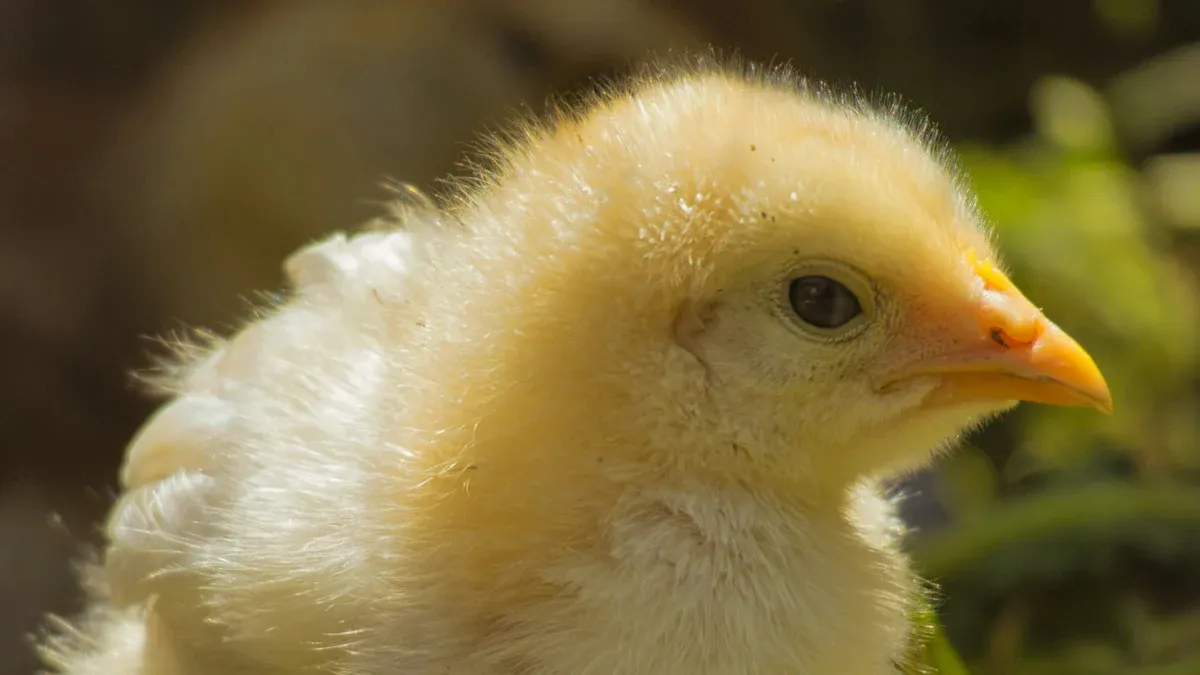
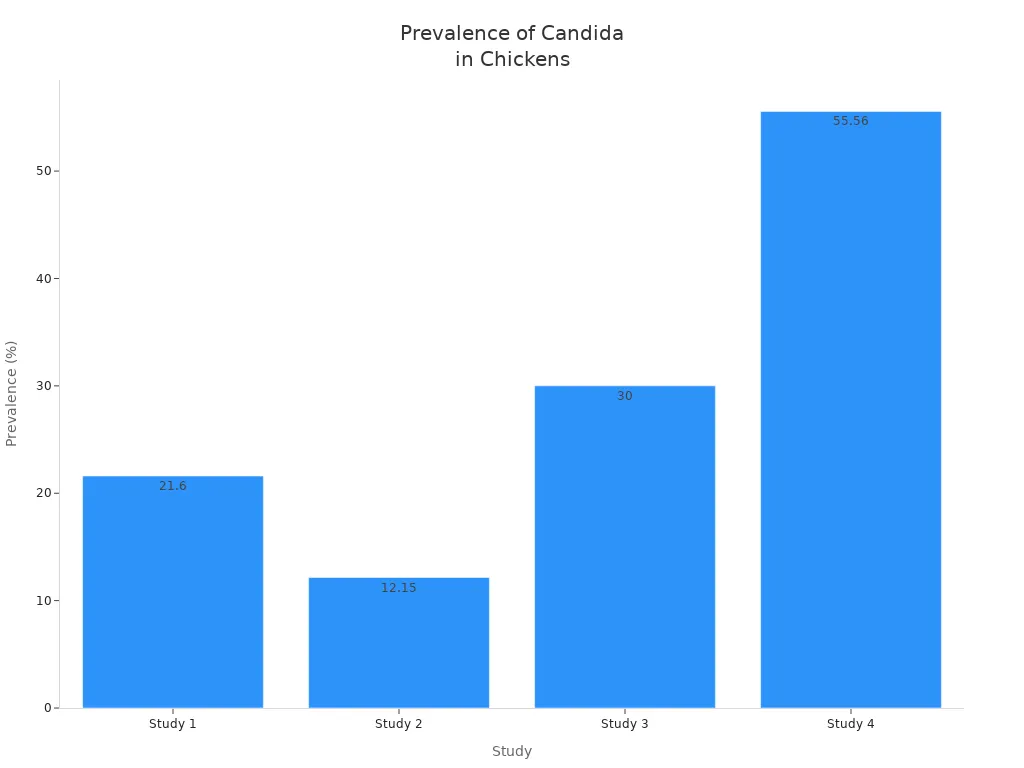
Candidiasis in birds is a yeast infection caused by Candida, and it often affects the digestive system of chickens. I see this issue frequently in my flock, which makes me concerned because it spreads quickly and can impact many birds. Studies show that between 12% and 30% of chickens are affected, as shown below.
| Study | Prevalence of Candida Infections in Chickens | Additional Notes |
|---|---|---|
| Study 1 | 21.6% (including 8.8% yeast) | Looked at broiler chickens and their environment |
| Study 2 | 12.15% for C. albicans in chickens | Higher than other animals studied |
| Study 3 | Candidiasis stayed with 30% morbidity | Seen in different poultry species |
| Study 4 | 20 C. albicans found in 36 samples | Done in Diyala Governorate, Iraq |
I always keep an eye out for outbreaks linked to dirty environments or poor food and water quality. Early detection is crucial, so I rely on innovative solutions like the Chicken Candida Albicans Test. When I need additional support for my birds, I turn to tailhealthy avian test kits. Taking action early with the Chicken Candida Albicans Test helps keep my flock healthy and thriving.
Key Takeaways
- Candidiasis is a common yeast infection in chickens. It affects 12% to 30% of chicken groups. Finding it early is important to stop outbreaks.
- Look for signs like sour crop and white spots in the mouth. Chickens may also seem tired or have diarrhea. Acting fast can keep the infection from spreading.
- Keep the coop clean and dry to lower the risk of yeast infections. Check the bedding, food, and water often to make sure they are good.
- Use fast tests like the Sabervet Candida Albicans Test for quick answers. Testing early helps chickens get treated and better sooner.
- Call a veterinarian if the case is bad or symptoms do not go away. A professional can give the best care for your chickens.
How to recognize candidiasis in birds?
What symptoms should you watch for?
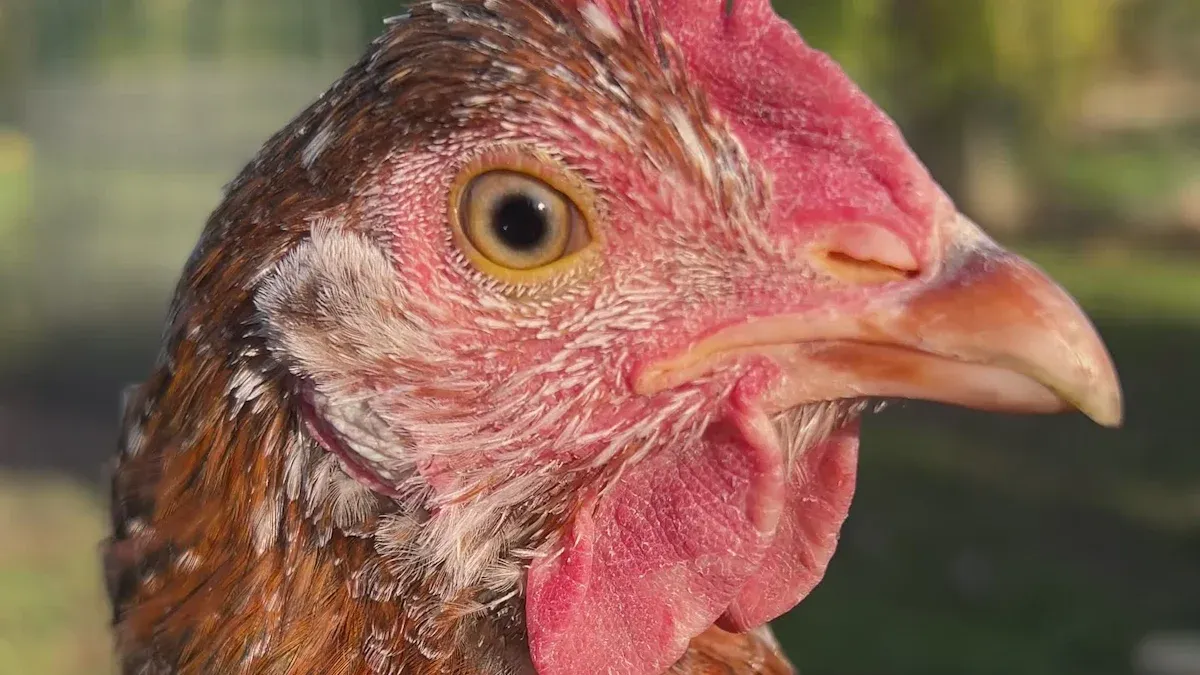
When I check my flock, I look for certain signs. The most common sign is sour crop. This means the crop is swollen and smells bad. Birds with yeast infections often seem tired. They may not want to eat. Sometimes, I see white spots in the mouth or throat. These white plaques show yeast is growing too much. Birds may have trouble swallowing. They might have diarrhea or slow digestion. I watch young chicks and weak birds closely. They get sick more easily.
Here are some symptoms I look for:
- Swollen or mushy crop (sour crop)
- White patches in the mouth or throat
- Lethargy or weakness
- Poor appetite
- Diarrhea or slow digestion
Tip: If I see more than one symptom, I act fast. This helps stop yeast infections from spreading.
How does candidiasis differ from other bird diseases?
Many diseases can make birds sick. Candidiasis has special signs. Yeast infections cause white mucosal plaques. They also cause slow food movement in the digestive system. These signs help me tell yeast apart from other problems. Bacterial infections and parasites look different. I use the table below to compare main signs:
| Clinical Sign | Description |
|---|---|
| Delayed gastrointestinal transit | Food moves slowly through the digestive system |
| White mucosal plaques | White patches on mucous membranes |
Crop mycosis is another name for this yeast infection. Yeast lives in the environment. It causes problems when birds are stressed or weak. When I need to be sure, I use avian test kits from Tailhealthy.
What causes yeast infections in birds?
What are the main risk factors?
Yeast infections happen more when the coop is dirty. Wet bedding and old feed help yeast grow fast. Moist chicken droppings make things worse. Both bad and normal things can raise moisture. Fungi like candida species and Aspergillus cause many yeast problems.
Here are some main risk factors I look for:
- Wet or dirty bedding
- Poor ventilation in the coop
- Spoiled or moldy feed
- Overcrowding
- Long-term use of antibiotics
- Poor hygiene practices
Yeast can move from adult chickens to chicks. Sometimes, infections spread through feeding or close contact. Using too many disinfectants can upset good microbes. This lets yeast grow more. I always try to keep my coop clean and dry to lower the risk.
| Risk Factor | Description |
|---|---|
| Prolonged antibiotic use | Makes chickens more likely to get yeast infections |
| Malnutrition | Weakens the immune system |
| Scissors beak | Makes eating hard, raising infection risk |
| Weakened immune system | Birds recovering from illness are more vulnerable |
| Excessive disinfectant use | Disrupts normal gut flora |
Which chickens are most susceptible?
Not all chickens get yeast infections the same way. Young chicks and older birds get sick more often. Birds with weak immune systems are at higher risk. Sick birds or those getting better can get yeast infections easily. Gastrointestinal candidiasis can cause poor growth and tiredness in young birds.
| Evidence Type | Description |
|---|---|
| Opportunistic Pathogen | Candida albicans acts as an opportunist when the gut balance is disturbed |
| Virulence Factors | It produces enzymes that help it invade tissues |
| Multidrug Resistance | Some strains resist treatment and spread easily |
| Morphological Transformation | It can change form, making it harder to control |
About 28.89% of bird fecal samples have Candida albicans. This is the most common yeast found in birds. Other candida species are becoming more important. But Candida albicans still causes most infections. I watch my flock closely after antibiotics or during stressful times. If I think there is a problem, I use avian test kits from Tailhealthy to check for yeast fast.
Tip: Keeping things clean and checking your birds often helps stop yeast from spreading.
How is a chicken candida albicans test performed?
What are the steps for rapid testing?
When I want to check my chickens for yeast, I use a chicken candida albicans test. Old methods take a long time and need special tools. Veterinarians collect samples from the crop or cloaca. They use mycological techniques to find Candida albicans. Here is what happens in labs:
- Microbiological cultures grow fungus from the sample.
- Microscopic examination lets experts see yeast cells.
- Morphological traits and growth on CHROMagar media show which fungi are there.
- PCR with special primers finds Candida albicans by copying the ITS1–5.8rRNA–ITS2 fragment.
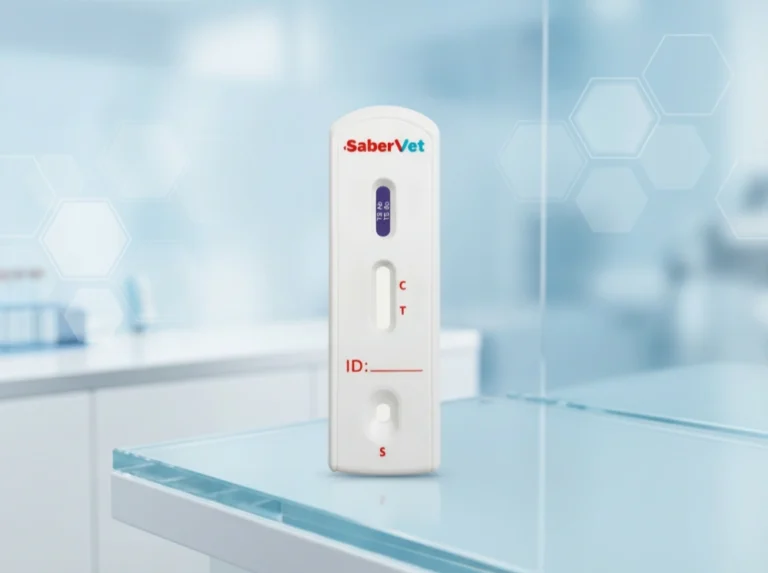
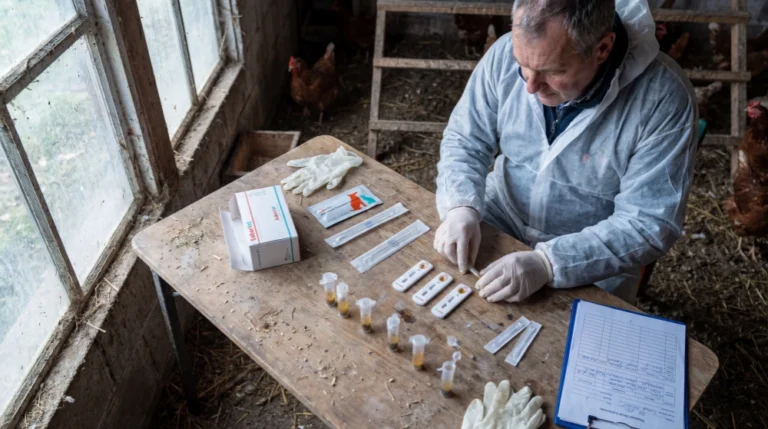
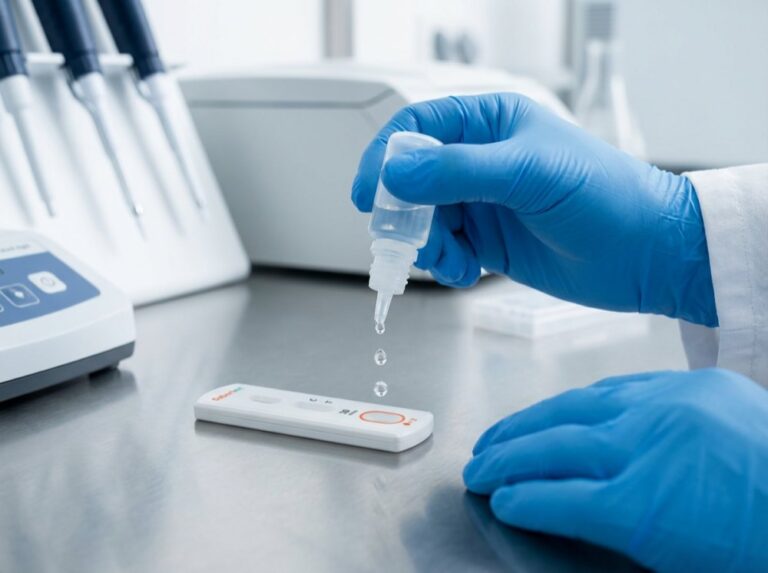
These steps work well but need lab skills and patience. I like a faster way for my chickens. The Sabervet Candida Albicans Antigen Rapid Test gives results in 5 to 10 minutes. I collect a fecal or rectal swab sample. Then I use the kit’s extraction tube and workstation. The instructions are easy to follow. I do not need advanced training. I watch for the test line to appear. This tells me if Candida albicans antigen is present.
I always keep a chicken candida albicans test kit ready. If I want more choices, I visit Tailhealthy avian test kits for reliable products.
When should you use the Sabervet Candida Albicans Antigen Rapid Test?
I use the Sabervet test when I see signs like sour crop, white patches, or slow digestion. Early detection helps protect my flock. The Sabervet kit is easy to use and accurate. It has a sensitivity of 98.33% and specificity of 98.61%. I trust the results because the kit meets CE, ISO 13485, and GMP standards.
Here is a table that shows why I pick the Sabervet chicken candida albicans test:
| Feature | Benefit for Poultry Owners and Vets |
|---|---|
| Rapid results | Answers in 5–10 minutes |
| High accuracy | Sensitivity and specificity are reliable |
| Easy to use | Clear instructions make testing simple |
| Complete kit | Swabs, tubes, and workstation included |
| Certified quality | Meets CE, ISO 13485, and GMP standards |
I use the Sabervet chicken candida albicans test when I need quick answers. I use it for routine checks, after antibiotics, or when birds seem weak. I also recommend it for breeders and farm managers who want healthy flocks. The test helps me act fast and stop outbreaks.
Tip: I always talk to a veterinarian if the test is positive or if symptoms stay. Early action keeps my chickens safe.
I rely on the chicken candida albicans test to check my flock. Rapid testing gives me peace of mind and helps me make smart choices.
What are the treatment options for yeast infections in birds?
Which medications and remedies are effective?
When I see yeast infections in birds, I know that quick action helps my flock recover. The main treatment of avian candidiasis uses antifungal medications. Nystatin works well for treating yeast in poultry. I add it to feed or water as my vet recommends. This medicine targets the yeast and helps clear the infection.
Sometimes, I use home remedies for mild cases. Apple cider vinegar in the drinking water helps keep the crop’s pH balanced. I add a small amount, about one tablespoon per gallon. This makes it harder for yeast to grow. Garlic water also helps. I crush a clove of garlic and let it steep in water. The natural compounds in garlic fight off harmful yeast and bacteria. Coconut oil soothes the crop lining. I melt a little and give it to the bird. This helps reduce yeast overgrowth.
Here is a quick list of what I use:
- Nystatin in feed or water for antifungal treatment
- Apple cider vinegar in drinking water
- Garlic water for natural support
- Melted coconut oil to calm the crop
I always check with my veterinarian before starting any medication. Severe yeast infections in birds need professional care. My vet may suggest stronger antifungal drugs or other treatments. I never skip this step because some cases get worse without the right medicine.
Tip: Early treatment stops yeast from spreading to other birds. I keep a close eye on my flock and act fast when I see symptoms.
How should you care for recovering chickens?
Recovery from yeast infections in birds takes patience and good care. I start by isolating the sick chicken. This keeps stress low and stops bullying from other birds. I make sure the bird has clean water at all times. Hydration is key for recovery. Sometimes, I use electrolyte solutions to help the bird regain strength.
I withhold food for a short time to let the crop empty. This gives the digestive system a break. I gently massage the crop to help move the contents along. When the bird starts to improve, I offer plain yogurt with live cultures. This helps restore the balance of good microbes in the crop and fights yeast.
Here are the steps I follow for recovery:
- Isolate the chicken from the flock
- Provide clean water and electrolytes
- Withhold food briefly to empty the crop
- Gently massage the crop
- Feed plain yogurt with live cultures
- Gradually reintroduce a light diet
- Keep the bird warm and comfortable
If the infection is severe, my vet may need to empty the crop or give special treatments. I always follow their advice for the best results. I keep the coop clean and dry to prevent new cases of yeast infections in birds. I also use reliable avian test kits from Tailhealthy to monitor my flock’s health.
Note: Recovery can take several days. I watch for signs of improvement and call my vet if the bird does not get better.
Taking care of yeast infections in birds means acting quickly, using the right treatments, and supporting recovery. I trust my vet and use proven methods to keep my flock healthy.
How can you prevent candidiasis in birds?
What daily practices reduce infection risk?
I always focus on daily routines to keep my flock safe from yeast. Clean housing makes a big difference. I remove wet litter and droppings every day. I fix leaks in drinkers and roofs as soon as I see them. I use wood shavings for bedding because they absorb moisture well. Moldy feed can cause yeast to grow, so I store feed in dry places and check it often. I clean drinkers every morning to stop yeast from spreading.
Here is a table that shows the best hygiene practices I follow:
| Hygiene Practice | Specific Actions |
|---|---|
| Maintain Dry and Clean Housing | Remove wet litter and droppings regularly. |
| Fix leaks in drinkers and roofs quickly. | |
| Use absorbent bedding like wood shavings. | |
| Feed and Water Management | Store feed in dry, ventilated areas. |
| Avoid moldy or clumped feed. | |
| Clean drinkers daily to prevent yeast growth. |
Nutrition plays a big role in prevention. I add probiotics like Bacillus subtilis and yeast extracts to my birds’ diet. These help their intestines stay healthy and absorb nutrients better. Yeast cell wall products boost their immune system. This makes it harder for yeast to cause infections. I notice fewer sick birds when I use these supplements.
I check my flock often for signs of yeast. Early intervention helps prevent further yeast infections. I use reliable avian test kits from Tailhealthy to monitor my birds’ health.
Tip: Clean water, proper feeding, and stress reduction keep yeast away from my flock.
How does biosecurity help your flock?
Biosecurity protects my birds from yeast and other diseases. I limit visitors to my coop. I wash my hands and boots before entering. I keep new birds separate for a few weeks before adding them to the flock. This stops yeast from spreading.
I use these biosecurity steps:
- Isolate sick birds right away
- Disinfect equipment after use
- Control rodents and wild birds around the coop
- Keep feed and water covered
Regular health checks help me spot yeast early. I act fast if I see symptoms. Prevention keeps my flock strong and healthy.
Note: Biosecurity and daily hygiene work together to stop yeast infections in birds.
When to seek veterinary help for candidiasis?
What signs require urgent attention?
I always watch my flock closely for signs that mean I need a vet right away. Some symptoms show that the yeast infection is getting worse or not responding to home care. If I see these red flags, I do not wait:
- Birds that stop eating or drinking for more than a day
- Severe weakness or birds that cannot stand
- Rapid weight loss or a bird that looks much thinner
- Persistent diarrhea or vomiting
- White patches spreading quickly in the mouth or throat
- Trouble breathing or gasping
If I notice more than one of these signs, I call my veterinarian as soon as possible. Quick action can save lives and stop the yeast from spreading to other birds.
How can a vet assist with diagnosis and treatment?
My veterinarian has special tools and knowledge to help my birds recover from yeast infections. The vet can run tests to confirm if yeast is the real problem. Sometimes, home remedies do not work, and the infection gets worse. The vet may use advanced tests, like the Sabervet Candida Albicans Antigen Rapid Test, or send samples to a lab. I learned that professional diagnosis helps me avoid guessing and wasting time.
The vet can also give stronger antifungal medicines that I cannot buy myself. They may suggest fluids or special feeding if my birds are very weak. Sometimes, the vet needs to empty the crop or treat other problems caused by yeast. I always follow their advice for the best results.
If I want to check my flock at home before calling the vet, I use reliable avian test kits from Tailhealthy. These kits help me know when to seek help and keep my birds healthy.
Tip: Early vet care means a better chance for recovery and less risk for the rest of my flock.
I always watch my birds for signs of candidiasis. I use rapid tests like the Sabervet kit to check for yeast. When I see symptoms, I treat my birds with antifungal medicine and support their recovery. Clean housing and good nutrition help prevent infections. I trust modern tools and visit Tailhealthy for reliable test kits. I call my vet if my birds do not improve. Keeping my flock healthy gives me peace of mind.
FAQ
How often should I test my flock for candida?
I test my flock every few months or when I see symptoms like sour crop or white patches. Regular checks help me catch infections early. I use avian test kits for fast results.
Can candida infections spread between chickens?
Yes, candida can spread through dirty bedding, contaminated feed, or close contact. I keep my coop clean and isolate sick birds to stop the infection from moving through my flock.
What should I do if a chicken tests positive for candida?
I start antifungal treatment right away. I isolate the sick bird and follow my veterinarian’s advice. I clean the coop and monitor other chickens for symptoms.
Are home remedies safe for treating mild yeast infections?
I use apple cider vinegar and garlic water for mild cases. These remedies help balance the crop’s pH and fight yeast. I always check with my vet before starting any new treatment.
How can I prevent candida infections in my flock?
I keep housing dry and clean. I store feed properly and use probiotics. I check my birds often and use avian test kits for early detection.
If you are looking for high-sensitivity test strips, you can find our full ITGen® and Sabervet® animal health products here. For those seeking integrated diagnostic systems or partnership opportunities, please explore our Sabervet® diagnostic solutions here.

每天都在战争,希望2026和平.